| |
|
|
 |
 Good [insert time of the day]! Good [insert time of the day]!
We welcome all the curious to our website. No, you are not lost: you are on the site of a small animation studio.
The daily routine is such: the head of the studio – Yuri Norshteyn –
slaps his staff upside the head and makes sure the individual and
rebellious are put in the corner facing a wall, so they won’t make
trouble…
When the studio isn’t engaging in these very useful exercises, its
entirety drinks to your health. If there is any time left after all this
is done, then they film movies, meet with the viewers, colleagues and
friends, organize exhibitions, write books and basically don’t let the
tree of Russian animation wither and die.
|
|
|
24.05.2015: Our New eBay Store |
|
03.11.2010: You can buy our books outside Russia. |
Attention! The opportunity to obtain our books outside Russia is here! Available in Russian and English. Ships from California, USA. Click here...
Contact us if you have any questions.
|
|
|
Comments: 57 |
|
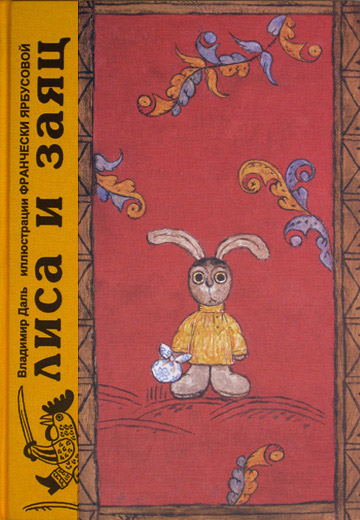
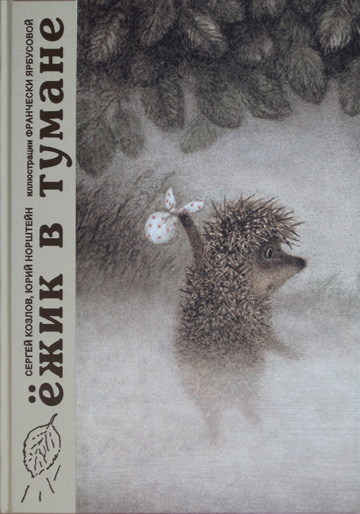
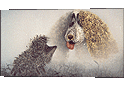
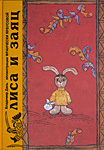
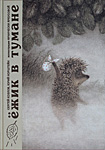
14.12.2009: The books "Hedgehog in the Fog" and "Fox and Hare" have been released |
The new books of The Fund Hedgehog in the Fog and Fox and Hare have been released. Both books are hardcover, with quality colored prints.
|
|
|
Comment |
News: 6 (Pages: 2, News per page: 5)
[ 1 ] |
|
|

|
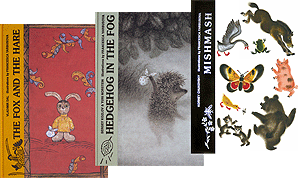
Greetings! We are pleased to announce that
you have the opportunity to obtain our children's books (available in English
and Russian) from our American partners. Ships from California,
USA.
Просим вашего внимания! Вы можете напрямую заказать наши детские книги (на английском и русском языках) за
рубежом у наших партнёров в США с рассылкой по всему миру из Калифорнии.
Read more... Подробнее...
|
|
|
|
|
Yuri Norshteyn Foundation ©2009-2012
|
|
Created by AMKs
|
|